All Case Studies
How Atlantaa Limited Turned a Generic WordPress Site Into a Premium Investor-Ready Web Experience
Built for Atlantaa Limited
Published
Apr 19, 2026
Client
Atlantaa Limited
Outcome
Investor inquiries and user engagement increased post-launch
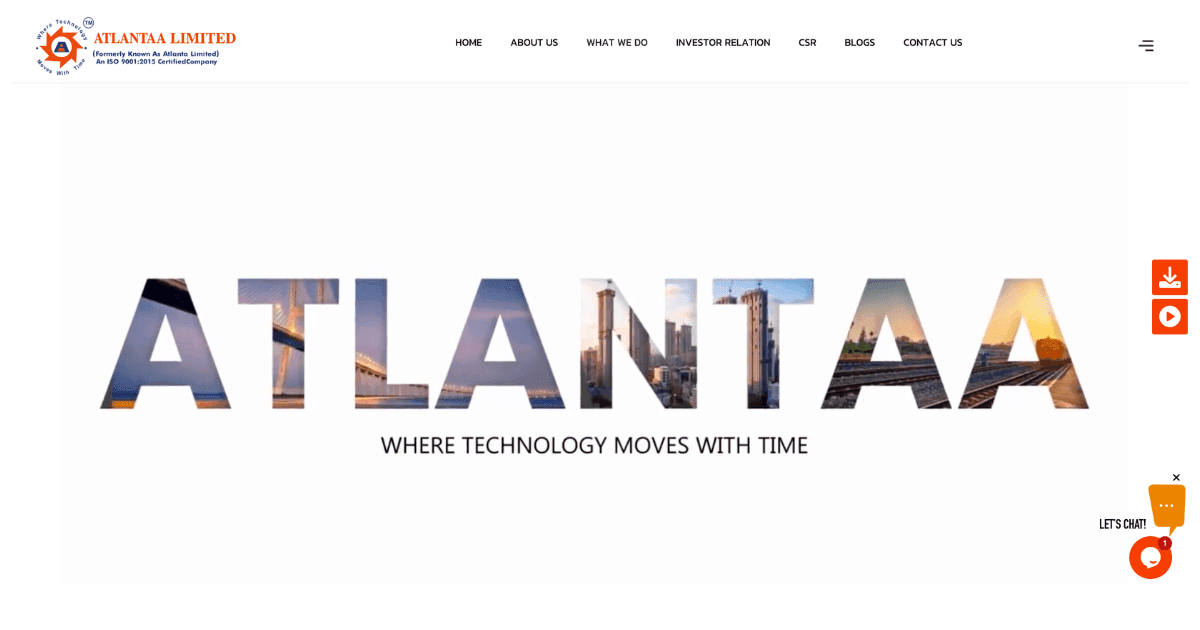
Atlantaa Limited had outgrown their first website. Not because it was broken. Because the business had grown into something the site couldn't reflect.
V1 was a WordPress build - template-driven, slow on mobile, and visually indistinct from hundreds of other infra and realty companies in India. For a firm working on large-scale infrastructure and real estate projects, that gap between what they were and what the site communicated was costing them. Investors and partners landing on the site weren't seeing a premium developer. They were seeing a contractor.
So we rebuilt it. Not a redesign. A full repositioning. Same client, new foundation, completely different result.
Before: What We Inherited
V1 was built on WordPress with an off-the-shelf template. It did the basics - pages loaded, content was there - but it had a ceiling.
The site was heavy and slow, especially on mobile. Project pages showed images in static grids, not narratives. There were no strong calls to action. No "Book a Site Visit." No clear path from landing to inquiry. Just content blocks sitting on a page, waiting to be read.
The navigation was flat and informational. It told visitors what Atlantaa did. It didn't persuade them to take the next step.
For a business growing into larger infrastructure contracts and premium real estate, that was a real problem. High-value investors and institutional partners evaluate credibility fast. A generic-looking site puts you in the wrong category before a conversation even starts.
The specific gaps we needed to close
Three things stood out after our audit.
First, the visual language didn't match the scale of the work. Atlantaa's projects are large. The site made them look small.
Second, there was no user journey. Visitors could scroll, but there was nowhere obvious to go and nothing that moved them toward an inquiry or a site visit.
Third, WordPress itself had become a constraint. The marketing team couldn't move fast. Every update was a workaround.
Our Approach
We started with business understanding, not design.
Atlantaa operates across infrastructure, realty, and EPC. Those are different audiences with different questions. Investors want credibility and track record. Homebuyers want to understand a project and take action. Partners want to see the scale of operations. A single generic layout can't serve all three well.
So before any UI work, we rebuilt the information architecture. We mapped user journeys first: what does an investor landing on the homepage need to see, and in what order? What path takes a prospective buyer from a project listing to a site visit booking?
Once the architecture was settled, we made a call that shaped everything else.
Why we dropped WordPress entirely
WordPress wasn't the wrong choice for v1. At that stage it made sense. But for v2 it was the ceiling.
Template-based WordPress layouts resist the kind of custom interaction design Atlantaa needed. The constraints weren't just visual - they were structural. Getting GSAP animations to behave correctly inside a WordPress theme is a fight. Building custom section logic, scroll-triggered reveals, and project-specific layouts requires owning the codebase.
So we went fully custom. HTML, CSS, JavaScript on the frontend. A custom Node.js backend to handle dynamic content and future scalability. Clean, no framework overhead, full control.
Motion design as a positioning tool
We introduced GSAP animations - controlled, not decorative.
The goal wasn't to make the site flashy. It was to shift how content was experienced. Scroll-triggered reveals made sections feel intentional. Project transitions turned static images into narratives. The motion layer communicated that this was a company that took craft seriously - in construction and in presentation.
Every animation was scoped to serve a purpose. If it didn't make the content clearer or the journey smoother, it didn't ship.
The Build: One Month, Multiple Rounds
The project ran for one month. That's tight for a full custom build at this level - but Atlantaa is a large organisation, and large organisations have approval cycles. Multiple stakeholders. Multiple rounds of feedback. Design sign-off, content review, leadership approval.
We built the process around that reality. Milestones were scoped to match their review rhythm. We didn't wait for perfect - we showed work early, gathered input, and iterated fast.
The result was a site that had genuine buy-in across the organisation before it launched. That matters. A site that gets internal pushback post-launch becomes a site that gets ignored.
After: What V2 Became
The live site is a different thing entirely.
Project pages now tell a story. Visitors move through a project the way you'd walk a site - with context, with scale, with a sense of what's being built and why it matters. The static grid is gone.
The conversion flow is clear. Investors land and see credibility signals immediately. Buyers have a path to action. Partners can understand the business verticals without digging.
On mobile, the experience is consistent and polished, not an afterthought. The GSAP layer runs cleanly across devices.
Since launch, the numbers have moved in the right direction. Investor inquiries from the website increased. Engagement and session retention improved. The site is working as a sales tool, not just a presence.
"The new website finally reflects who we are as a company today." — Rickin Barot, Atlantaa Limited
What This Means for Infrastructure and Real Estate Developers
India's real estate sector is heading toward a US$1 trillion market by 2030. Competition for investor attention and premium positioning is only going up. A generic site is no longer neutral — it actively works against you in rooms where credibility is evaluated fast.
If your current website looks like it was built for an earlier, smaller version of your business, that's worth fixing. Not because of aesthetics. Because your website is the first thing an investor, a partner, or a serious buyer sees before they call you.
We work with infrastructure and real estate companies across India on exactly this kind of rebuild. Book a free 20-min call to see if we can do the same for yours. Or explore our web development services to understand what a custom build actually involves.
Frequently Asked Questions
Why would a real estate developer move away from WordPress to a fully custom site?

WordPress works well at an early stage, but it has a ceiling. Template-based layouts resist deep customisation, and getting advanced interactions like scroll-triggered animations or custom project flows to work cleanly inside a WordPress theme takes significant workaround effort. A fully custom build gives you complete control over structure, performance, and interaction design with no framework constraints.
What should a real estate or infrastructure company's website actually do for the business?
It should work as a sales tool, not just a presence. That means clear user journeys for different audiences (investors, buyers, partners), strong conversion points like site visit bookings or inquiry forms, and visual storytelling that communicates the scale and quality of your projects. A site that only lists information without guiding visitors toward an action is leaving business on the table.
What is GSAP and why would a real estate website use it?
GSAP is a professional-grade JavaScript animation library used to create smooth, controlled motion on websites. For real estate and infrastructure brands, it's useful because it allows scroll-triggered reveals, project transitions, and interactive section flows that make content feel intentional rather than static. Used well, it shifts how a visitor experiences a site. Used poorly, it just makes things slow and distracting. The key is keeping every animation tied to a clear purpose.
Can you migrate an existing real estate site's content to a new custom build?
Yes. Content migration is part of most rebuild projects we handle. We audit existing content, restructure it to fit the new information architecture, and port it across. For real estate companies this usually includes project descriptions, image libraries, and team or credential pages. We flag content that needs rewriting and work with the client's team to fill gaps before launch.
More case studies
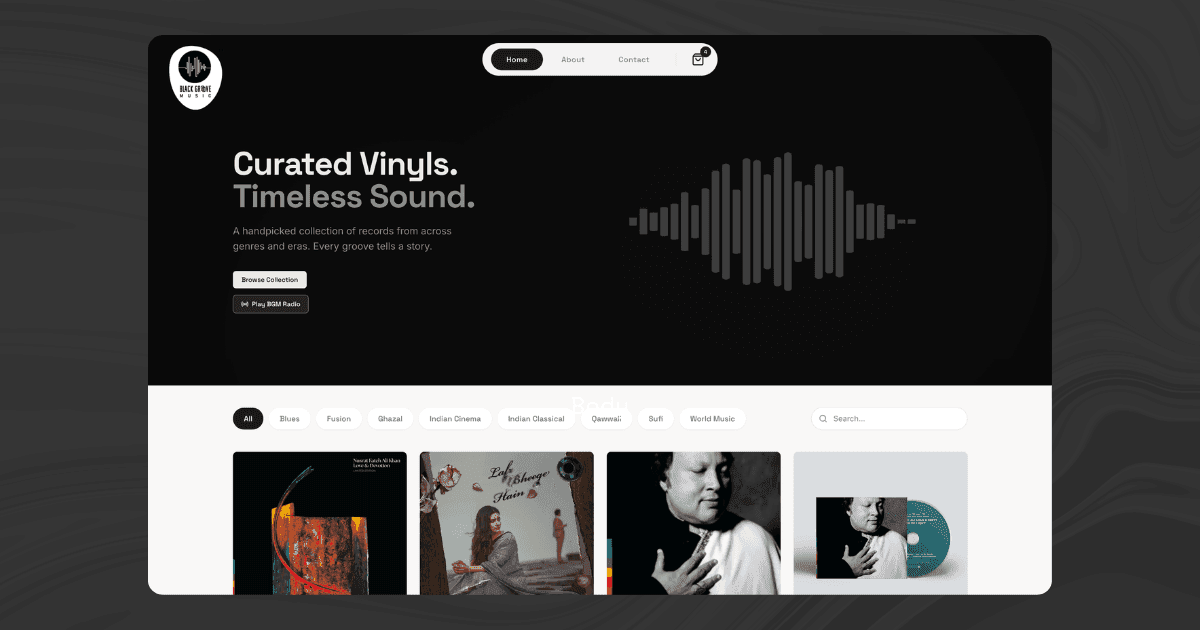
Black Groove Music • Vinyl records, D2C e-commerce
A Mumbai Vinyl Store's Jump From Broken WordPress to Custom Next.js in 4 Days
Off WordPress and onto a faster, SEO-ready custom store in 4 days
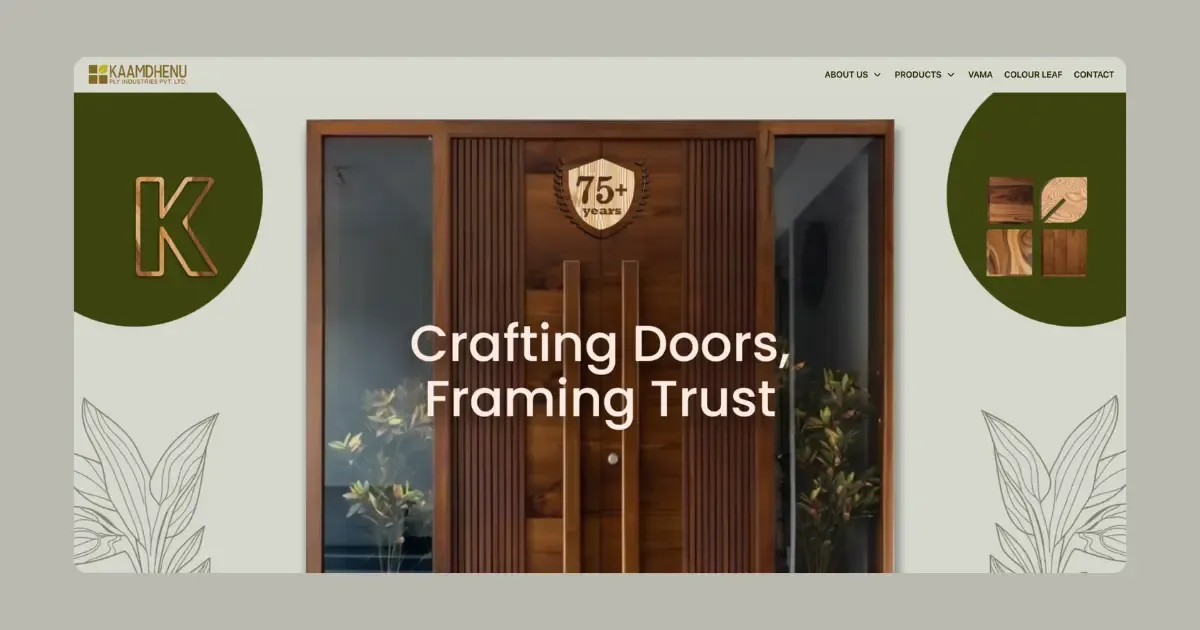
Kaamdhenu Ply Industries Pvt. Ltd. • Plywood and Door Manufacturing, Mumbai
How Kaamdhenu Ply Turned 75 Years of Manufacturing Legacy Into a Premium Web Presence
Improved conversions and brand trust - legacy manufacturer finally looks the part
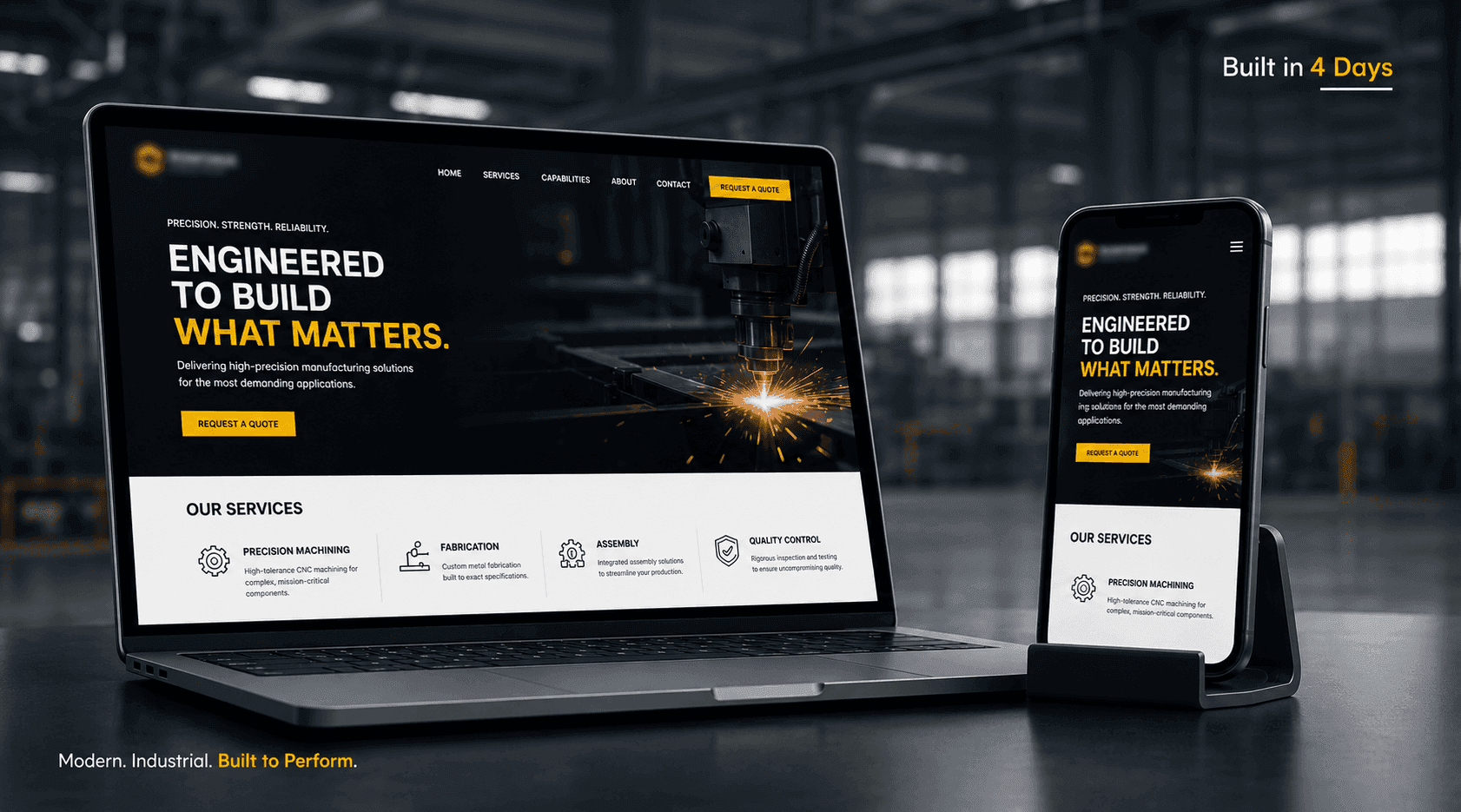
Industrial Manufacturing Firm • Industrial Manufacturing
No Website. Tender Deadline in 4 Days. Here's What We Built
A full custom full-stack website built and deployed in 4 days, before the tender deadline.
Related articles

AI Agents 2026: Only 17% Deployed, 130 Real Vendors, and the Platforms Worth Using

GPT-6 Release Date 2026: Astra, Sol and Luna Compared on Price, Limits and Access

Gemini 4 Argon vs GPT-6 Astra: Should Your Business Wait for Google?