All Case Studies
How Kaamdhenu Ply Turned 75 Years of Manufacturing Legacy Into a Premium Web Presence
Built for Kaamdhenu Ply Industries Pvt. Ltd.
Published
Apr 24, 2026
Client
Kaamdhenu Ply Industries Pvt. Ltd.
Outcome
Improved conversions and brand trust - legacy manufacturer finally looks the part
Kaamdhenu Ply has been making doors and plywood for over 75 years. Three generations of a Mumbai family, a manufacturing facility producing flush doors, fire-rated doors, blockboards, and LVL engineered frames trusted by architects, developers, and homeowners across India.
And their website looked like it was built in 2008.
That gap - between what the company actually is and what it communicated online - is exactly the problem we came in to fix. Not a minor refresh. A full revamp. New tech, new UI, new communication, new positioning. The kind of rebuild that makes a manufacturer finally look like the premium brand it already is.
The client
Kaamdhenu Ply Industries Pvt. Ltd. is a Mumbai-based manufacturer with 75+ years in the wood products industry. Their product range covers flush doors, fire-rated doors (FRD), plywood, blockboards, and LVL engineered frames. They serve architects, real estate developers, and homeowners who need precision-engineered, durable products. The business is now in its third generation - a family that has spent decades building credibility in a market that is increasingly moving toward organised, brand-led manufacturers.
That last part matters. India's plywood and door market is consolidating fast. Consumers and specifiers are moving toward brands they can verify, trust, and point to. A weak digital presence in that environment is not neutral. It actively costs you.
The problem
The old site was template-based, slow, and visually stuck in an era the company had long moved past. The homepage loaded heavy. The product presentation was flat - text-heavy, image-light, no sense of the craft behind what Kaamdhenu actually makes. Navigation was clunky. On mobile, it was worse.
More than the technical issues, the communication was off. A 75-year-old manufacturer with a state-of-the-art facility and a third-generation family behind it was presenting itself the same way a new, unproven vendor might. No story. No brand identity. No premium positioning. Just a list of products and a contact form.
The business cost was real. Architects and developers evaluating vendors do their first round of filtering online. If your site doesn't hold up, you don't get the call. Kaamdhenu was losing that first impression - repeatedly.
What we changed
Starting point: understanding what the brand actually is
Before we touched a single pixel, we spent time understanding Kaamdhenu. Three generations. A manufacturing facility. Products used by architects, builders, and homeowners. A range that goes from standard plywood to fire-rated doors and LVL engineered frames.
That is not a commodity supplier. That is a premium, legacy brand. The site needed to say so from the first second.
The design direction
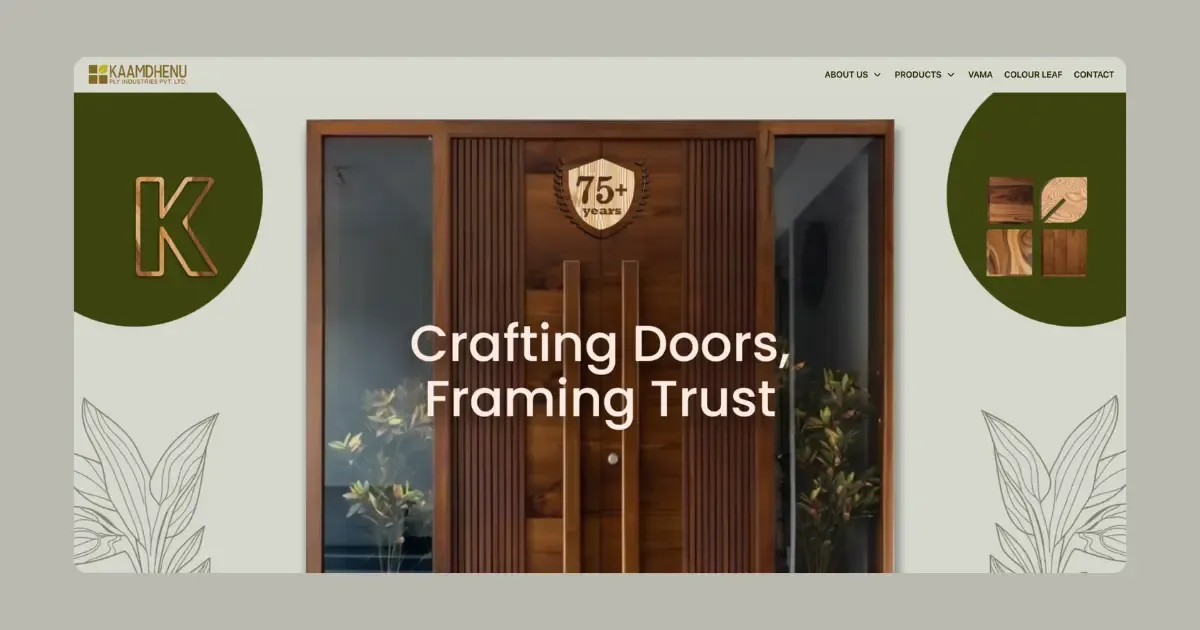
We built the new site around Kaamdhenu's natural strengths: depth of legacy, precision of craft, and the tactile quality of the materials they make. Dark olive green as the primary brand tone. Copper and warm wood-toned accents. Full-bleed imagery of doors and grain textures. Typography that feels confident and authoritative rather than corporate-generic.
The hero section does what it should: one strong image, one strong line. "Crafting Doors, Framing Trust." Clean. Direct. No clutter.
Performance was not optional
The old site had a performance problem. Images were heavy, load was slow, and that alone was losing visitors before they could read a line of copy.
We rebuilt the frontend in React.js. Images are served through a CDN, which means product visuals - the most important content on a manufacturer's site - load fast regardless of connection quality. The result is a site that feels as premium as it looks.
A custom preloader to set the tone
One detail that sums up the brief: we built a custom animated preloader. As the site loads, the Kaamdhenu "K" letterform draws itself on screen - like a craftsman marking a door. It takes seconds. But it signals to anyone landing on the site: this was made intentionally. Nothing about this is off-the-shelf.
CMS so the team can keep it current
We integrated Strapi as the backend CMS. The Kaamdhenu team can now update products, add new ranges, and manage content without needing a developer for every change. For a manufacturing business with an evolving product catalogue, that matters.
Dedicated sections for every product line
The new site gives each product range room to breathe. VAMA, Colour Leaf, flush doors, fire-rated doors, plywood, blockboard - each has a section that presents the product properly, with the right images and the right language. Not a list. A presentation.
Two people. Four to six weeks.
The core team was lean: one designer, one developer, with a manager and content writer supporting. The client supplied product content and imagery. We handled everything else - architecture, design, build, CMS setup, CDN configuration, and launch.
We went live in 4 to 6 weeks.
The outcome
The results were directional, not tracked by a single instrument - but the signal was clear. Enquiry volume improved. The feedback from the client was that conversations with architects and developers felt different. The site was no longer a liability in those first-impression moments. It had become an asset.
The client also left a Google review that says it better than we can:
"Had an absolutely wonderful experience with the knowledgeable and extremely talented team of Nipralo. From the very beginning, they took the time to understand exactly what I was looking for and delivered timely results that exceeded my expectations. Their professionalism, research and attention to detail is a major USP." — Mahek Patel, Kaamdhenu Ply Industries
That came unprompted. That is the kind of outcome we build toward.
What this means for a business like Kaamdhenu
India's plywood and door sector is consolidating. Organised players are winning share from unorganised ones - and a big part of that is brand credibility. A site that looks like the product you make is not a luxury. It is a competitive requirement.
Kaamdhenu had the 75-year story. The facility. The product range. The third-generation commitment to quality. The old site was hiding all of it. The new one puts it in front of every architect, developer, and homeowner who searches for them.
That is the gap we closed.
If your manufacturing or building-materials business is in the same position - strong product, weak digital presence - let's talk about what a revamp could do for you.
See the live site
Explore what we built for Kaamdhenu Ply - a 75-year manufacturer that finally has a website to match
Your product deserves a better website
If your manufacturing or building-materials business has outgrown its current site, we can help. Book a free 20-minute call and we'll tell you what's possible.
Frequently Asked Questions
How long does a full website revamp take for a manufacturing company?

For a focused revamp with a clear brief and client-supplied content, 4 to 6 weeks is realistic. That covers design, frontend build, CMS integration, and launch. Timelines stretch when content or approvals are delayed, so having your product images and copy ready before development starts makes the biggest difference.
What tech stack works best for a plywood or building materials manufacturer's website?
React.js for the frontend gives you a fast, modern site that performs well on mobile and desktop. Pairing it with a headless CMS like Strapi means the business team can update products and content without needing a developer every time. CDN image delivery is essential when your site is product-image heavy - it keeps load times fast regardless of image size.
Can a website revamp actually improve enquiries for a B2B manufacturer?
Yes, but the mechanism is trust, not just traffic. Architects, developers, and procurement teams do a quick visual scan of your site before they pick up the phone. A site that looks outdated signals risk, even if your product is excellent. A site that reflects your quality and legacy removes that hesitation. That is where improved conversions come from - not from tricks, but from credibility.
What should a manufacturing company include on its website to attract architects and developers?
Product pages with proper photography, clear specifications, and range breakdowns are the foundation. Beyond that: a clear brand story (especially if you have a long history or family legacy), a dedicated section for any premium or signature product lines, and easy ways to get in touch or request a catalogue. Architects and developers evaluate you quickly. Every section of the site should answer their likely next question.
Do you work with other manufacturers or family businesses outside the plywood industry?
Yes. The core challenge - strong product, weak digital presence - is common across manufacturing, building materials, industrial goods, and family-owned businesses in many sectors. If your business has outgrown its current site and needs to communicate a premium or established positioning, the approach we used for Kaamdhenu applies directly.
More case studies
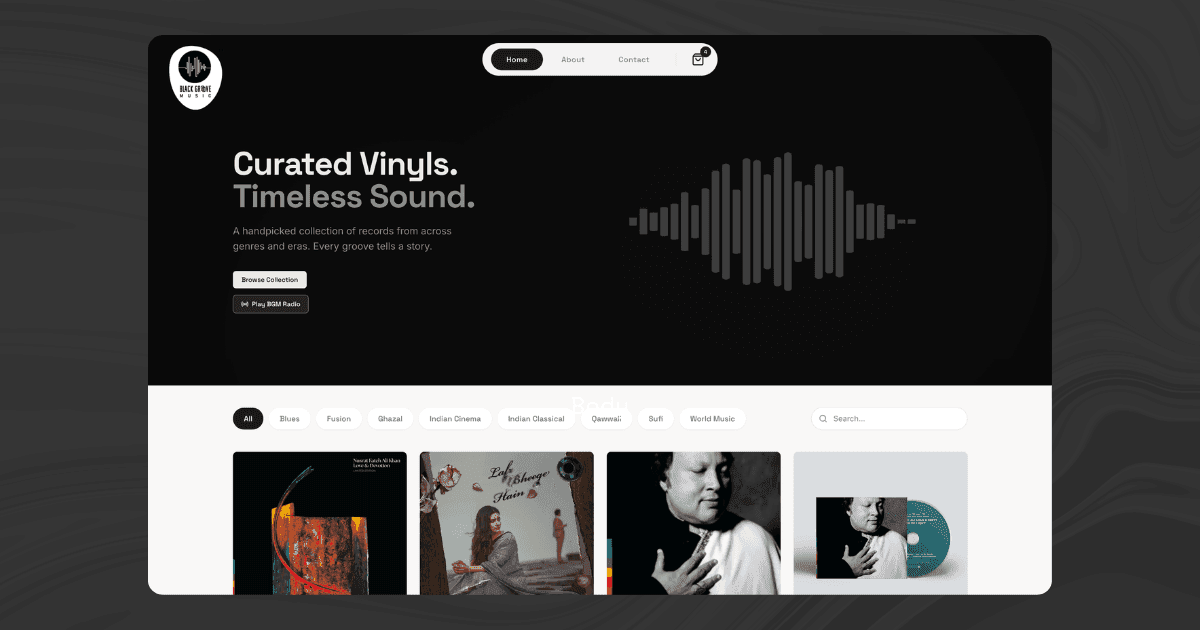
Black Groove Music • Vinyl records, D2C e-commerce
A Mumbai Vinyl Store's Jump From Broken WordPress to Custom Next.js in 4 Days
Off WordPress and onto a faster, SEO-ready custom store in 4 days

Atlantaa Limited • Infrastructure and Real Estate Development
How Atlantaa Limited Turned a Generic WordPress Site Into a Premium Investor-Ready Web Experience
Investor inquiries and user engagement increased post-launch
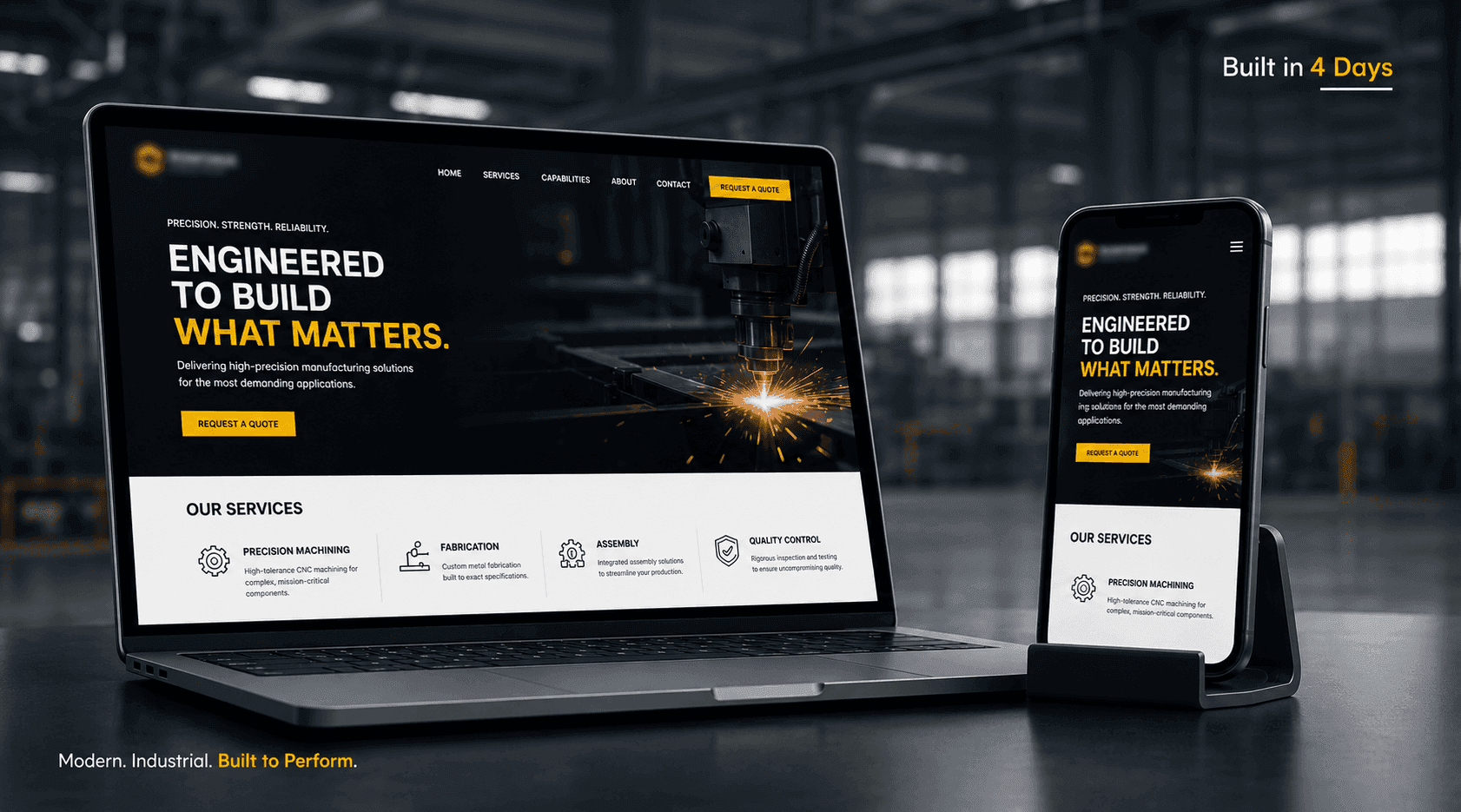
Industrial Manufacturing Firm • Industrial Manufacturing
No Website. Tender Deadline in 4 Days. Here's What We Built
A full custom full-stack website built and deployed in 4 days, before the tender deadline.
Related articles

Claude Code vs Cursor vs Codex: Is Gemini CLI Still an Option in 2026?

Best AI for Coding in 2026: Which Model Should Your Dev Team Actually Pay For?

Best AI Tools for Business 2026: Writing, Sales, Support and Ops Tools Compared by Cost